
Emily Carter · 12 August 2026
How Programming is Making Insurance More Personal

In the past, insurance policies often felt like a one-size-fits-all solution, with customers selecting from limited options that rarely matched their unique circumstances. Today, programming is changing that dynamic entirely, allowing insurers to craft policies that adapt in real time to personal data and behaviors. This shift is driven by sophisticated code that processes vast amounts of information, turning generic coverage into something genuinely individual.

Harnessing Data for Tailored Coverage
At the core of this personalization lies advanced data analytics and machine learning algorithms. Developers create systems that pull from sources like wearable devices, driving habits tracked via apps, and even home security feeds. For instance, a fitness tracker might lower health premiums for active individuals, while safe driving patterns could reduce auto insurance rates automatically. These programs do not just collect data; they interpret it to predict risks with greater accuracy than traditional methods ever could.
Real-World Applications in Daily Life
Consider how a homeowner might benefit. Programming enables insurers to integrate smart home technology, adjusting rates based on real-time alerts from smoke detectors or water sensors. This level of customization encourages better habits and rewards proactive users. Companies like progmindix specialize in building these robust platforms, ensuring seamless integration without compromising on security or privacy.
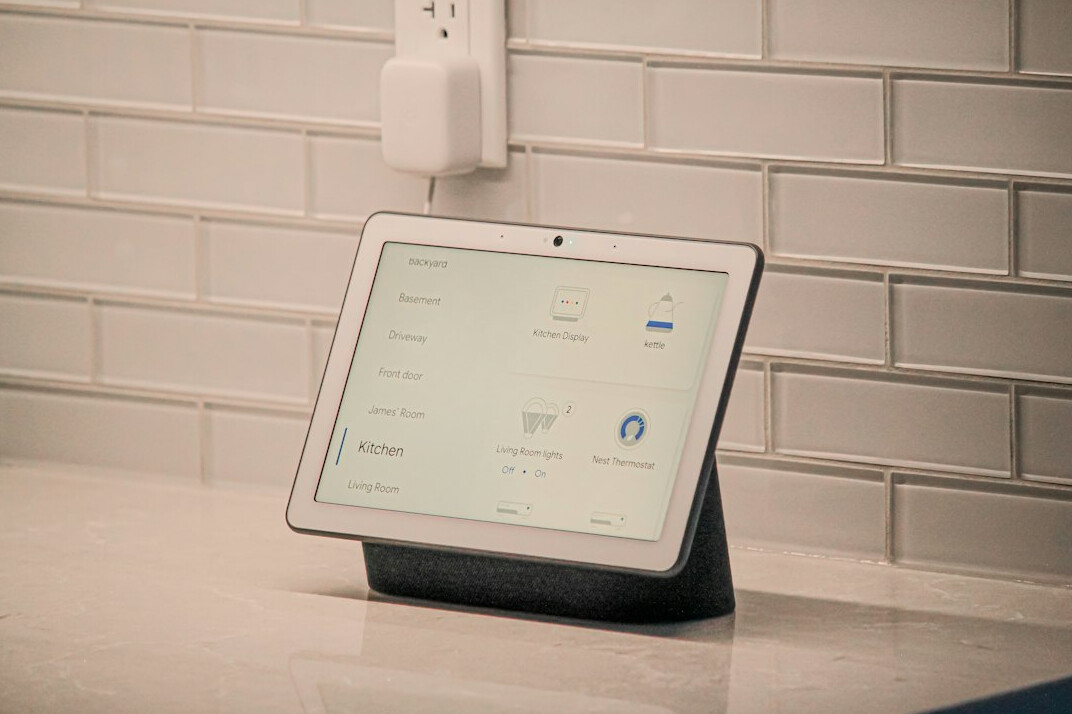
Another area seeing transformation is life insurance. Algorithms analyze lifestyle factors such as diet, exercise routines, and even genetic insights from approved sources to offer dynamic quotes. What used to require lengthy medical exams now happens through continuous monitoring via coded applications that update policies monthly or even weekly.
Overcoming Challenges with Innovative Code
Of course, building these systems involves addressing significant hurdles like data privacy regulations and ethical AI use. Programmers implement encryption protocols and consent management tools to keep user information protected. Transparent algorithms allow customers to understand why their rates change, fostering trust in the process.
Personalization in insurance is not about surveillance but about empowerment through informed decisions.
Lists of benefits often highlight cost savings, but the real value comes from peace of mind. Users feel their coverage reflects who they are rather than a broad category. Unordered lists in educational materials from insurers now commonly include points on flexibility, real-time adjustments, and predictive alerts for potential claims.

The Future Outlook
Looking ahead, integration with emerging technologies like blockchain will further enhance these personalized experiences by creating immutable records of policy changes. As programming continues to evolve, the insurance industry will move even closer to true individuality in every contract. This evolution benefits everyone involved, from policyholders seeking value to providers aiming for efficiency and loyalty.
Ultimately, the blend of human insight and precise coding is redefining what it means to be insured. It shifts the focus from broad protections to nuanced support that evolves alongside life changes, making the entire process feel more relevant and supportive.